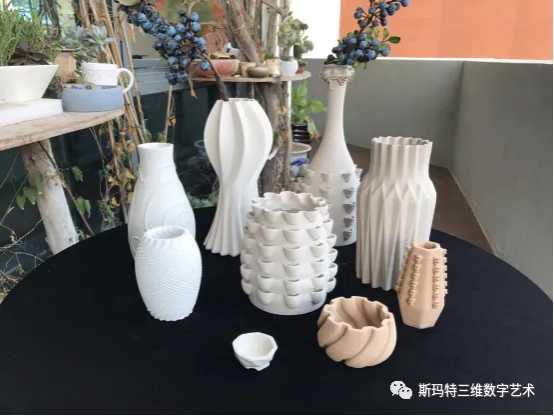
3D printing technology has attracted attention in many industries in modern society and is hailed as one of the important symbols of the "Third Industrial Revolution". And 3D clay printing is a new technology in 3D printing, which breaks the traditional ceramic technology and also breaks the shackles of the diverse shapes of ceramic products, so that anyone can make the ceramic shape they want.
01
—
The current state of 3D clay printing
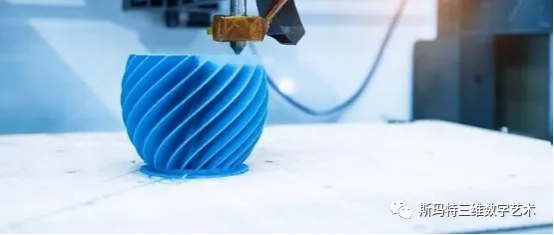
3D printing technology is a kind of rapid prototyping, namely three-dimensional printing technology. It is usually realized by a digital technology material printer, based on a digital model file, using adhesive materials, and constructing objects by printing layer by layer.
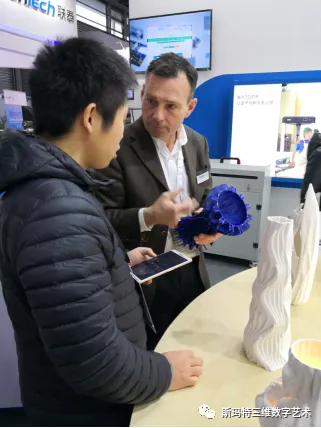
The most prominent advantage of 3D printing technology is that it does not require mechanical processing or molds, greatly reducing the cost of product development and shortening the product development cycle. Currently, the most commonly used raw materials are nylon glass fiber, durable nylon materials, gypsum materials, aluminum materials, titanium alloys, stainless steel, rubber, resin, metal and plastic types, etc. The prominent characteristics of rapid prototyping have attracted widespread attention from various industries at home and abroad, and also made 3D printing form a 3D printing boom from the emergence in the mid-1990s to now. At present, the fields of application of 3D printing include medical field, aerospace technology, housing construction, automobile industry, industrial manufacturing, etc.
02
—
The advantages of 3D clay printing
3D earthenware printing is a type of 3D printing, which is different from the common form of 3D printing now, because the material it uses is earthenware, breaking the routine material of 3D printing, and also breaking the traditional process of pottery making.
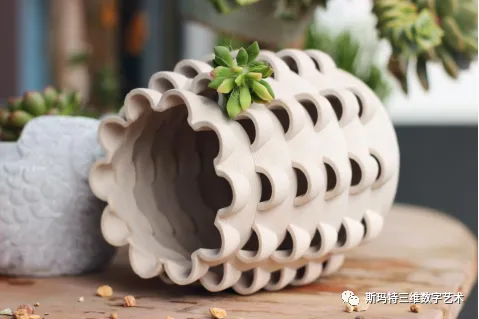
Pottery is a traditional and ancient culture in China. It is made from clay with yellowish-brown, greyish-white, purple-red and other tones and has good plasticity. It is extremely artistic.
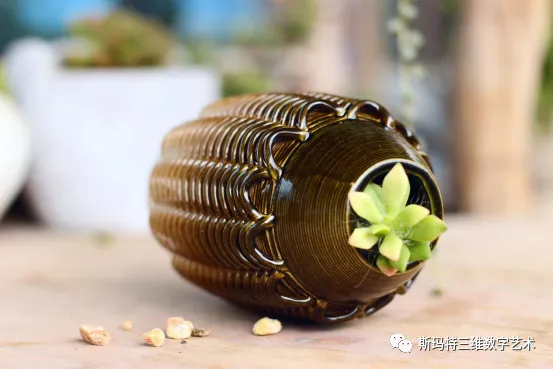
When facing traditional crafts that are more complex or require hollowing and suspended work, artists need to adopt the "bone-setting" method to carry out the rough clay, and then press and smooth the clay while pressing, which is both time-consuming and labor-intensive. If it is not done well in the middle, it may need to start over, and because it is manual, the work cannot be mass-produced. However, the recent emergence of clay 3D printers in the market only requires support when printing products, which can be directly removed after the product dries, and then the craftsmen can bake and grind it later, which can also achieve mass production, truly saving time, labor and worry.